
Caenorhabditis elegans is a widely used model organism for studying neurobiological processes and human disease. Developmental transitions across larval stages and overall reproductive efficiency depend strongly on cultivation techniques. Conventionally, C. elegans is grown with E. coli strain OP50 on standard two-dimensional Nematode Growth Medium agar.
That standard two-dimensional format does not accurately reproduce the worm's natural in vivo environment, such as rotting fruits and vegetation, and it limits understanding of three-dimensional locomotion behavior at different developmental stages. It also offers little control over efficient nutrient and food transport in a true three-dimensional setting.
Recent paper-based culture systems developed by our group and others have introduced new strategies for three-dimensional cell culture with controlled oxygen and nutrient transport. By adjusting the thickness of multilayer paper stacks, these systems can create three-dimensional tissue or biofilm models and improve understanding of the underlying biophysical mechanisms.
Reported work on three-dimensional culture of C. elegans, however, has remained limited. Even recent controlled-environment approaches have not accurately replicated the worm's natural habitat or shown strong cultivation advantages over standard two-dimensional methods.
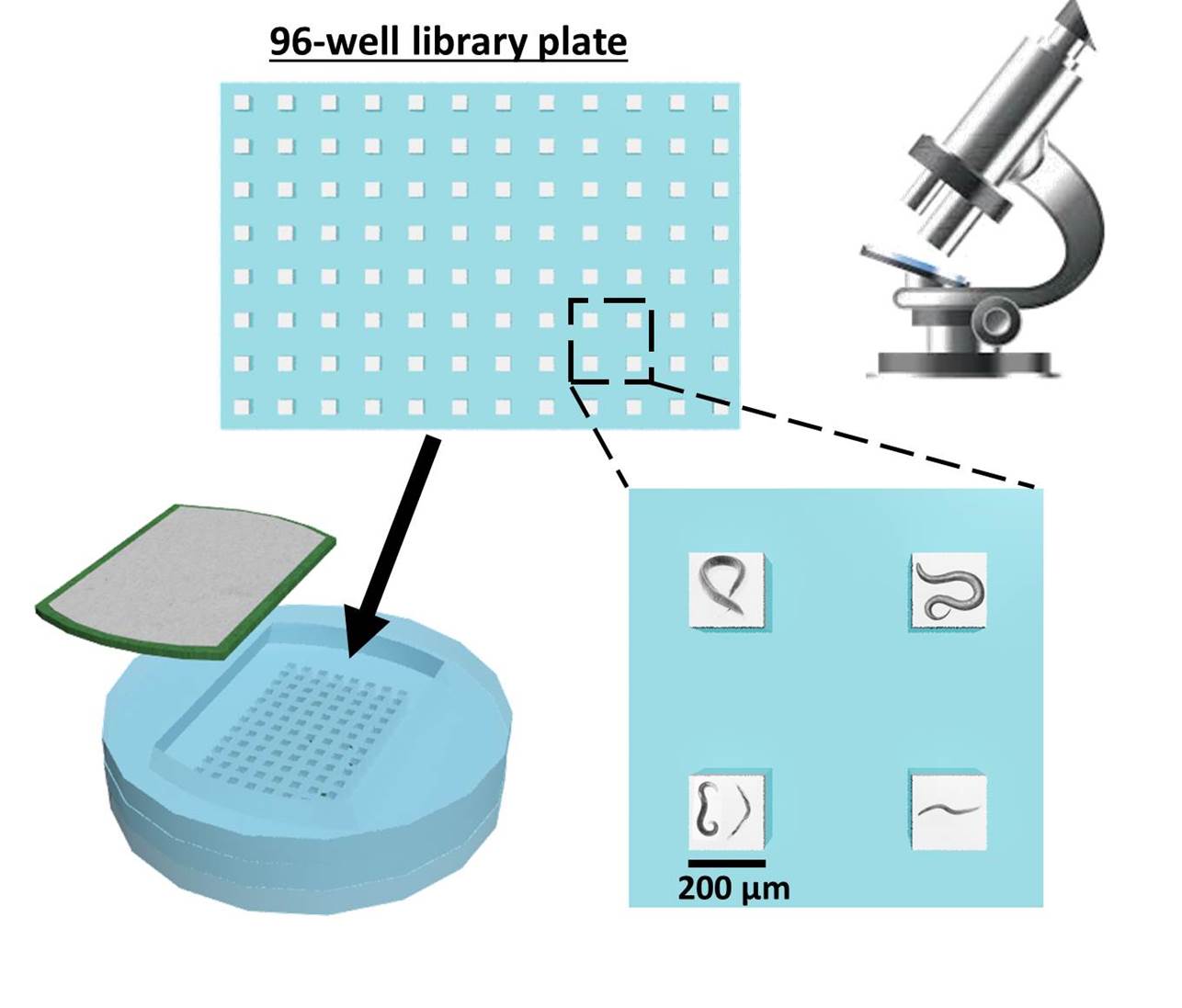
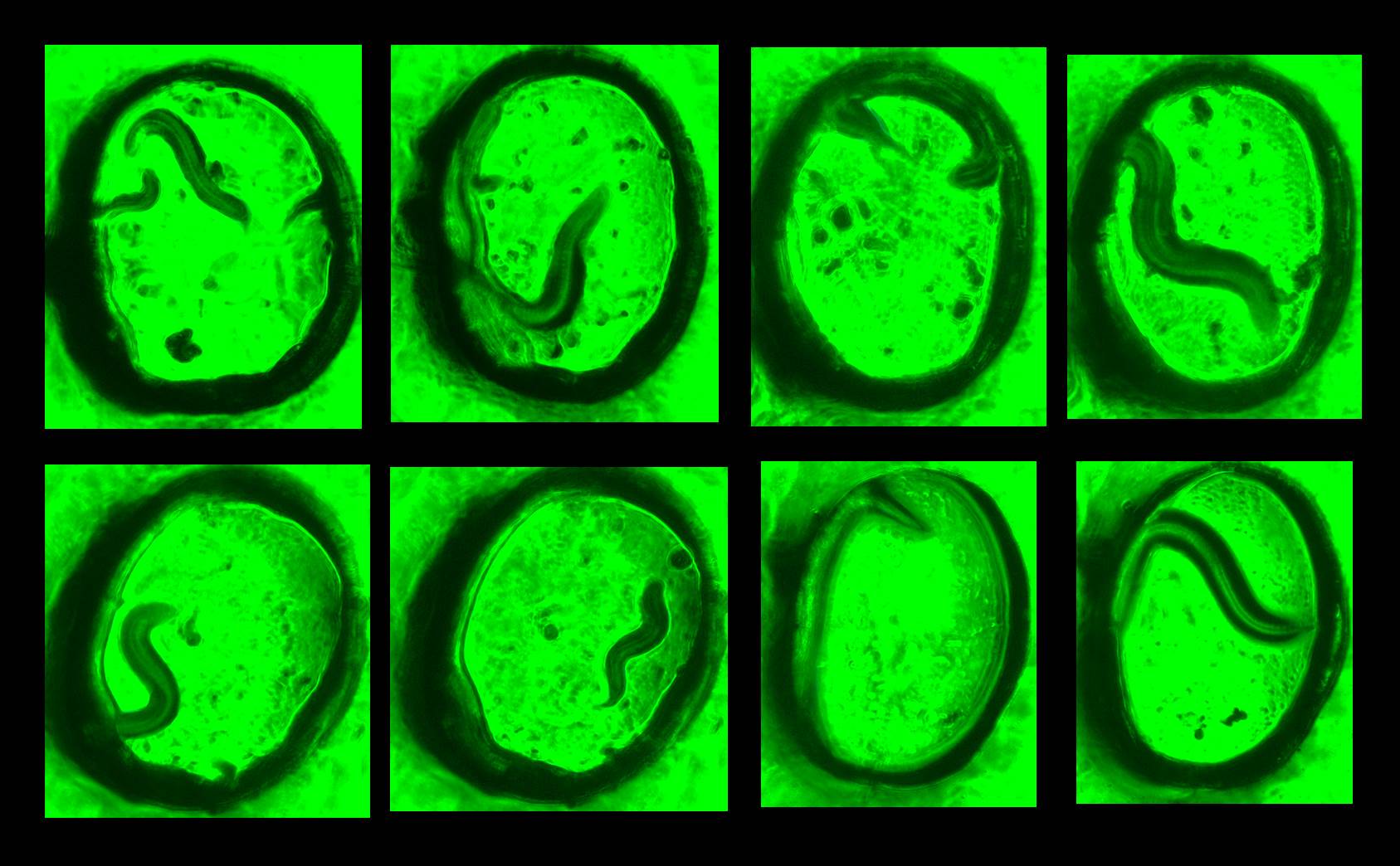
In this project, we created a novel paper-based microfluidic platform for three-dimensional cultivation of C. elegans. The device uses a multilaminate structure of transparent polycarbonate papers as a scaffold to mimic the worm's natural three-dimensional habitat. Because the paper is thin, mechanically strong, and highly porous, the structure allows the worms to move freely in three dimensions while also promoting efficient growth of both C. elegans and their primary food source, E. coli. The transparency of the paper supports microscopic visualization of the worms and improves understanding of their three-dimensional behavioral dynamics. Development and fertility in the paper-based device outperformed those achieved with the standard two-dimensional cultivation technique.
← Back to Research